The Impact of Wheel Offset on Vehicle Installation
Wheel offset is often mentioned in car modifications, both minor and major. Focusing solely on aesthetics and choosing the wrong offset can affect safety in extreme situations and mechanical reliability in daily use. This is a detailed explanation, originally from Zhihu https://zhuanlan.zhihu.com/p/25448120.
Wheel Offset
Offset is a very important installation parameter for wheels. It determines whether the wheel will rub against components such as the fender, suspension, or brake calipers. For ordinary modification users, wheel offset is relatively difficult to determine among all installation parameters. When upgrading wheel size or increasing width (J value), what offset value is appropriate? Let’s discuss the impact of wheel offset on installation.
I. Understanding Wheel Offset
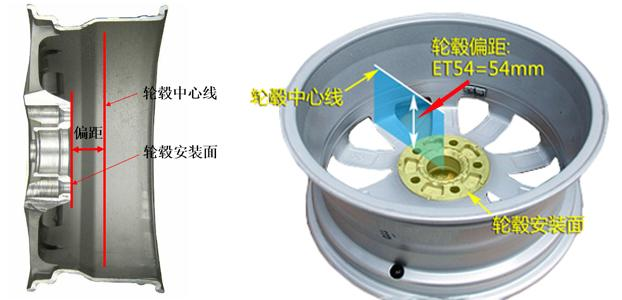
Offset, also known as offset/ET, is the distance from the wheel’s centerline to its mounting surface. (Unit: mm)
A. Classification of offset values
-
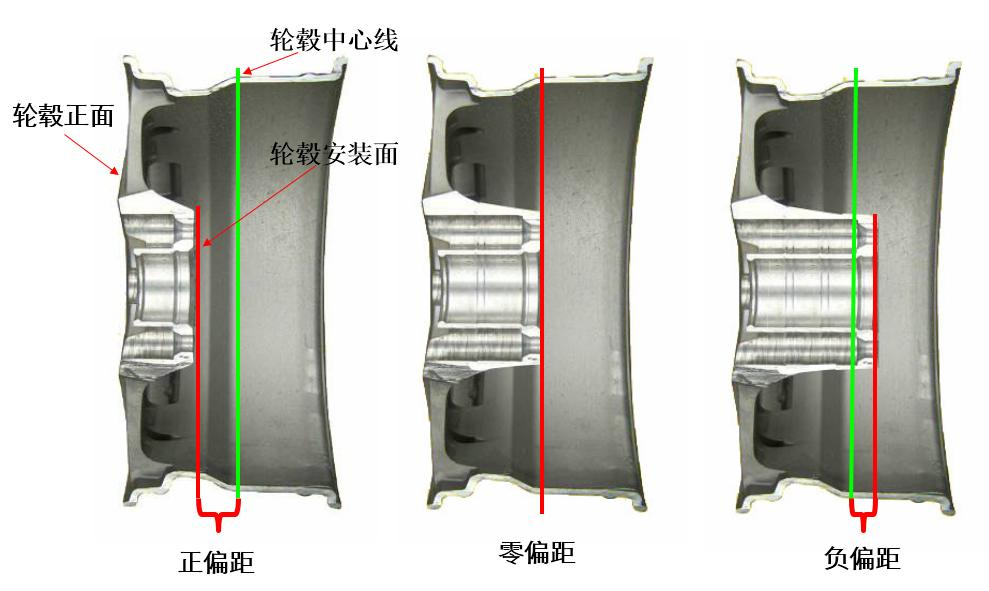
Positive offset: With the wheel’s centerline as the dividing line, the mounting surface is closer to the front of the wheel (i.e., closer to the outer side of the vehicle).
-
Zero offset: The mounting surface coincides with the centerline.
-
Negative offset: With the wheel’s centerline as the dividing line, the mounting surface is closer to the inner side of the vehicle.
B. Common offset ranges for vehicle models (data collected from the internet)
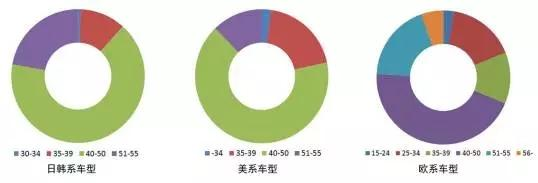
It can be seen that most sedans have original offset values ranging from 35 to 50 mm. Therefore, selecting aftermarket wheels with similar offset values should meet installation requirements.
II. Impact of Wheel Offset on Installation
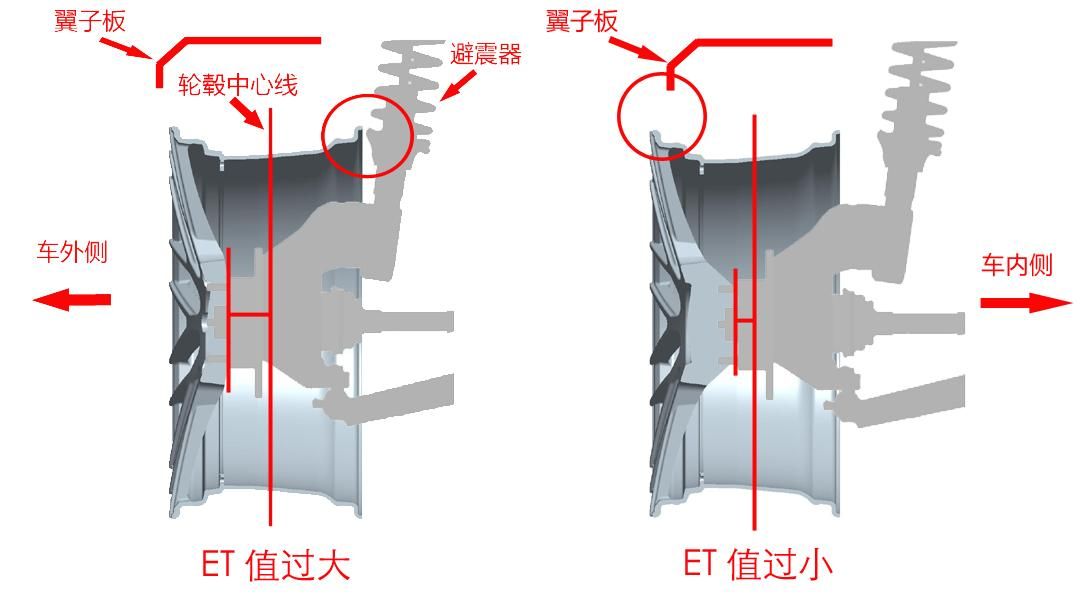
A. The offset value determines the lateral position of the wheel on the axle and the track width between two wheels on the same axle. Simply put, it decides whether the wheel is recessed into the vehicle’s interior or protrudes outward.
- Larger ET value: The wheel is recessed more toward the interior of the vehicle. (Track width between the two wheels on the same axle decreases.)
- Smaller ET value: The wheel protrudes more toward the exterior of the vehicle. (Track width between the two wheels on the same axle increases.)
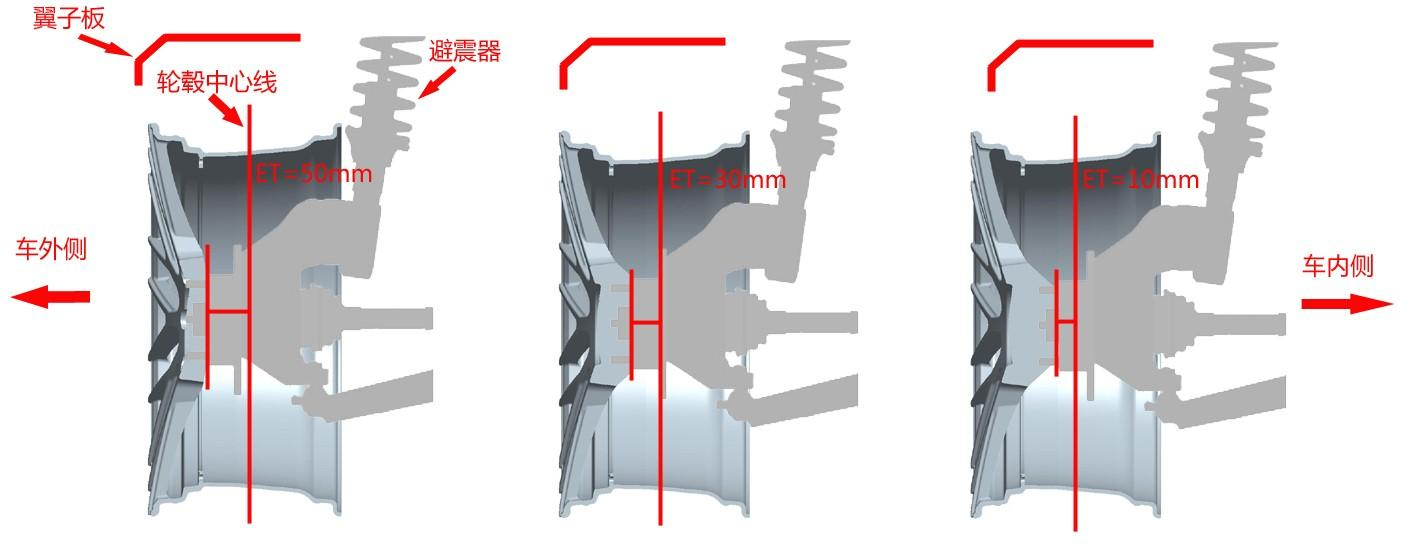
For example, when ET=30mm in the image above, the wheel is roughly flush with the fender.
When ET=50mm, the wheel is recessed inward relative to the fender.
When ET=10mm, the wheel protrudes outward relative to the fender.
B. Consequences of improper offset
- Too large ET value: The wheel is likely to interfere with the suspension.
- Too small ET value: The wheel protruding from the vehicle body is likely to interfere with the fender.
C. How to determine the perfect ET value?
-
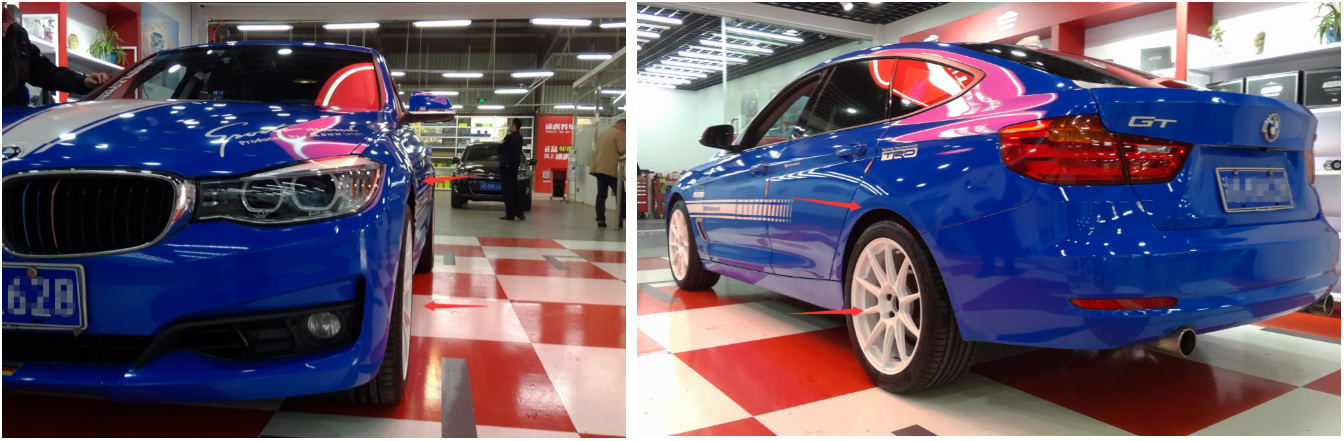
Ideal wheel installation effect: The wheel, when installed, is flush with the fender (wheel arch). (At this point, the visual effect is relatively full!)
-
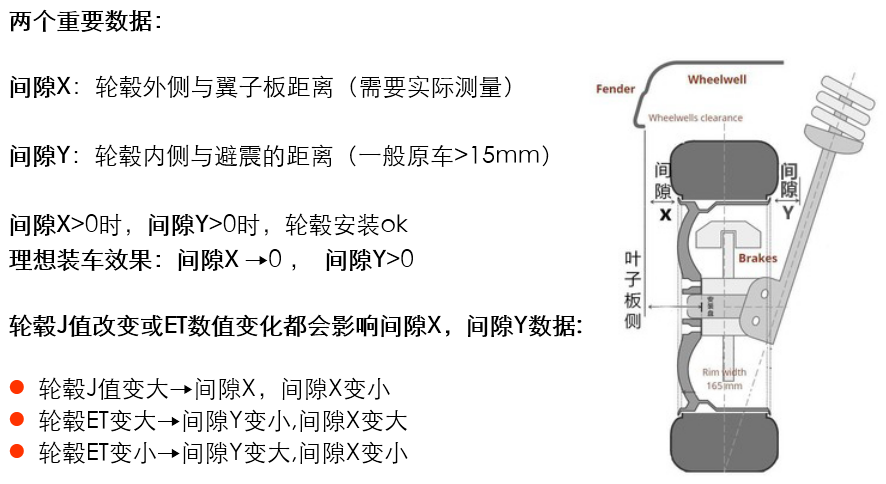
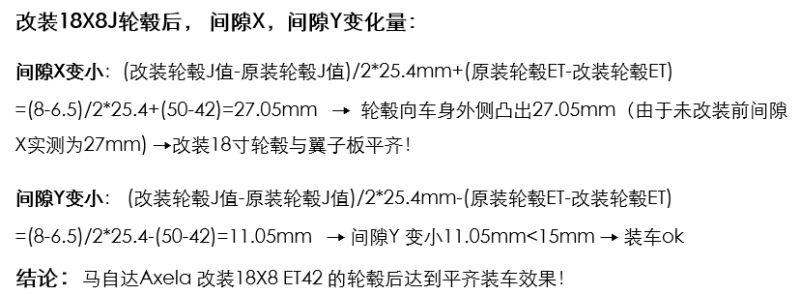
Two important installation measurements: Gap X / Gap Y
For example:
Original front wheel offset is 45mm with a J value of 7J. If the wheel width is increased to 8J while keeping the offset unchanged, the spaces for Gap X and Gap Y each decrease by 12.7mm.
If we choose ET=40mm (wheel protruding outward by 5mm), Gap X decreases by 17.7mm (12.7+5), and Gap Y decreases by 7.7mm (12.7-5). At this point, there should be no interference during installation.
Since the rear wheels are generally non-steering and have no turning requirements, interference issues are less likely. The tolerance range for rear wheel offset is more relaxed, allowing for smaller offset values and wider tire widths, thereby increasing track width to enhance vehicle handling and visual appeal.
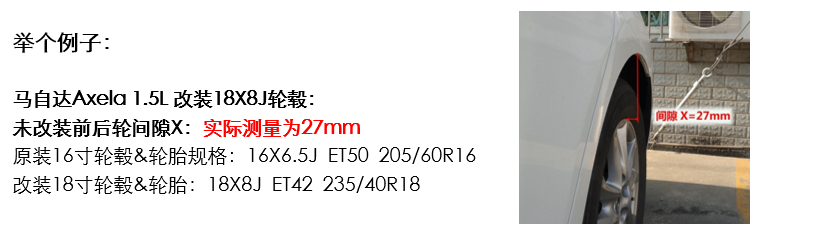
- Finally, let’s verify the correctness of our modified wheel offset with a practical example:
This article is reproduced from Zhihu: https://zhuanlan.zhihu.com/p/25448120 . All rights reserved by the original author.